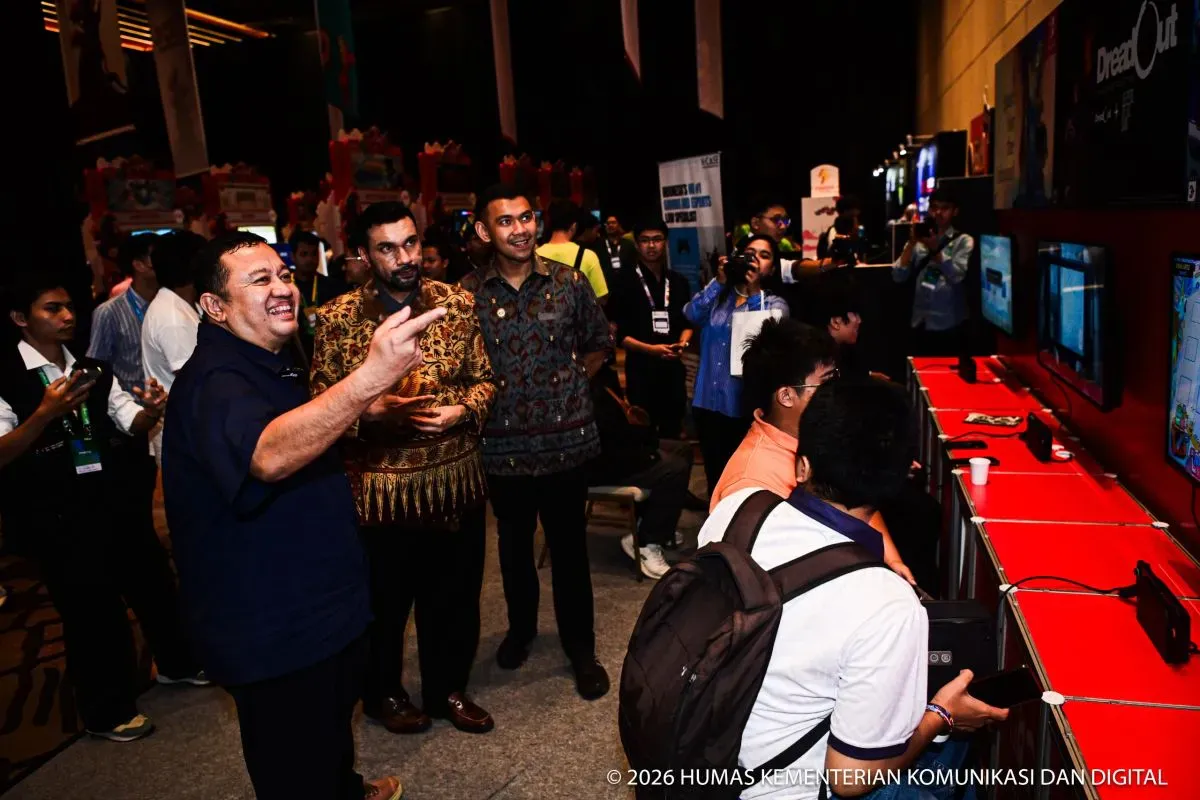
Indonesian game studios face spending mismatch, ministry official says
Many local studios sell games upfront, while domestic mobile players are more accustomed to free-to-play titles, according to the creative economy ministry.

Indonesian game developers struggle to reach domestic players because their business models do not match consumers’ spending habits, rather than because of quality, according to Luat Sihombing, game director at the Ministry of Creative Economy.
Speaking at the launch of a Tencent industry report during the World Conference on Creative Economy in Jakarta on 22 October 2026, Luat said many studios charge players to buy games before playing. Indonesian consumers, particularly on mobile devices, are more familiar with free-to-play games, he said.
Platform choices create another obstacle, according to Luat. Some developers build PC games, while mobile use continues to expand in Indonesia and consumers face constraints on buying computers. He said premium PC titles still have opportunities internationally, but studios seeking Indonesian mobile players need to adapt their business models.
The ministry and Tencent also signed a three-year memorandum of understanding during the conference covering intellectual property, talent development and the local gaming and digital ecosystem. Luat said the government wants foreign companies to create opportunities for Indonesian businesses through hiring and commercial partnerships.
Discussions included training in game design, monetisation, artificial intelligence, cloud computing and cybersecurity. Tencent offered potential mentoring, industry connections and international publishing opportunities for Indonesian studios. Programme priorities and implementation arrangements still need to be determined, and no specific Indonesian game IP has been confirmed for inclusion in Tencent games.
A study by Access Partnership and Tencent presented at the conference estimated that Indonesia’s games industry contributed US$1.8 billion in economic value added and supported around 257,400 jobs in 2025. It identified financing, intellectual property development and talent as important needs for local studios.